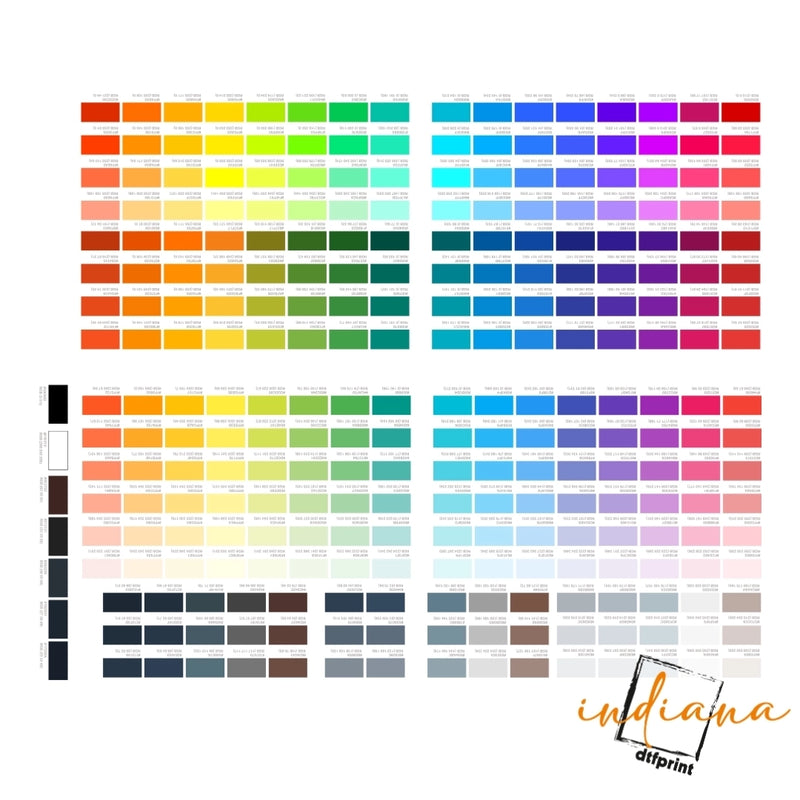



The DTF transfer is really good for both light garments when a few things are just right. This includes the artwork, the quality of the transfer, the kind of fabric, and how you set up your heat press. For shirts, you need colors that are strong a clean white underbase, and the right amount of pressure. If not, the print will look dull. Light shirts can also show colors, but you have to pay attention to the edges of the artwork, how transparent it is, and where you place it. This is because the fabric will show through.
If you are having trouble choosing transfers for shirts, white clothing, hoodies, uniforms or clothes from local stores, Indiana DTF can help you pick the right transfer for the garment before you start pressing.
What is DTF Transfers for Shirts?
For dark shirts, the DTF transfers need to be really opaque. This is especially true when the artwork has colors, small text, or tiny details.
DTF transfers for shirts can look really clean and soft when the artwork has see-through areas, and the print is the right size for the garment.
Do DTF transfers work on shirts? Yes, they do. They work well on white, cream, gray, pastel and light cotton blends when you press them correctly.
DTF transfers, on cotton shirts need a good adhesive bond and enough white support under the ink. This is so the colors do not sink into the fabric and look bad.
Why Garment Color Changes the Transfer Choice
Garment color changes how your design is seen.
A red logo on a white tee feels bright. That same red logo on a black shirt needs a white base behind it, or it can look flat. A soft pastel design may pop on cream clothing but disappear on heather gray.
So the transfer is not the only decision. The shirt color, artwork contrast, and final use all matter.
We have seen a perfect design look weak on the wrong shirt color. Not fun. The fix is planning before pressing.
Do DTF Transfers Work on Dark Shirts?
Yes, DTF transfers for dark garments can work well when the print is built with enough color strength and backing.
Dark shirts usually need artwork that holds contrast. White text, bright colors, bold shapes, and clean edges tend to show well. Thin black outlines on navy or charcoal? Those can disappear fast.
What makes dark shirts easier?
Use artwork with clear contrast. Avoid tiny dark details on dark fabric. Keep important text large enough to read. Test black, navy, forest green, and maroon garments before a bulk order if the design has subtle color.
What Are the Best DTF Transfers for Dark Shirts?
The best DTF transfers for dark shirts are transfers that hold opacity, press evenly, and keep color readable on black or deep-colored fabric.
For black cotton shirts, the print should look clear from normal viewing distance.
Not just up close. If the customer has to squint, the design is not working.
|
Dark Garment Type |
Best Artwork Choice |
Watch Out For |
|
Black cotton tee |
Bright colors, white text |
Low-contrast dark details |
|
Navy hoodie |
Bold logo or back print |
Blue-on-blue artwork |
|
Charcoal sweatshirt |
White or warm tones |
Gray-on-gray designs |
|
Maroon shirt |
Cream, white, gold, light blue |
Dark red details |
|
Forest green tee |
White, tan, orange, yellow |
Green shadows |
This is why mockups help, but real samples help more.
How to Use DTF Transfers on Dark Shirts
How to use DTF transfers on dark shirts starts with the garment and press setup.
Lay the shirt flat. Pre-press if needed to remove moisture and flatten the surface. Place the design where it belongs. Use the transfer’s recommended heat, time, and pressure. Peel according to the instructions. Finish press if required.
Dark garment press checklist
-
Check artwork contrast before printing.
-
Use the correct garment size and transfer size.
-
Pre-press the shirt when needed.
-
Press with even pressure.
-
Follow the transfer peel instructions.
-
Add a finishing press when the guide calls for it.
-
Wash and test before selling a new garment type.
That list sounds basic. It is also where most mistakes happen.
Do DTF transfers work on shirts?
The answer to this question is yes. DTF transfers really do work on shirts.
DTF transfers on colored shirts can look really sharp. This is because the light color of the shirt gives the artwork a background. For example white shirts, cream colored shirts, light gray shirts and pastel colored shirts all work well with DTF transfers. DTF transfers, on these shirts can make the artwork look very nice and sharp. Bright designs can pop. Dark artwork reads well. Fine outlines can show better than they do on dark fabric.
But light shirts are not automatic wins. The design still needs clean edges, correct sizing, and good placement.
What Are the Best DTF Transfers for Light Shirts?
The best DTF transfers for light shirts depend on the look you want.
If you want a bold retail look, use strong artwork with clean color. If you want a soft boutique look, use lighter tones, open space, and transparent areas. If you want business uniforms, keep the logo clean and readable.
DTF transfers for white clothing often give the most flexible base because almost every color shows clearly. Light gray and cream can change how colors feel, so check the design first.
How to Use DTF Transfers on Light Shirts
How to use DTF transfers on light shirts is close to the dark-shirt process, but design cleanup matters more.
Light shirts show unwanted backgrounds. A hidden white box may not show on white clothing, then look weird on cream or gray. Transparent backgrounds matter.
Use clean Portable Network Graphics files when possible. Check the edges. Check the scale. Press with correct heat and pressure.
A good light-shirt transfer should look like it belongs on the shirt, not like a sticker slapped on at midnight.
What About Black Cotton and Colored Cotton?
DTF transfers on black cotton shirts are popular for staff tees, event merch, band-style designs, school apparel, and local brand drops.
Black cotton can make bold art look sharp. It also punishes weak contrast. A dark gray logo on black might look cool on a screen, then vanish on fabric.
DTF transfers on colored cotton shirts need the same thinking. Choose artwork that contrasts with the fabric. Royal blue, red, green, pink, tan, and charcoal all change the final look.
“Garment color is part of the design, not just the background.”
That line saves orders.
How Should Indiana Buyers Choose Shirt Colors?
People who buy things in Indiana really like to get custom DTF apparel. They use it for all sorts of things like school spirit wear, team shirts and clothes for church events. Some small businesses also get custom uniforms made for their employees. You might see restaurant staff wearing these custom shirts. Construction crews wear them too.
You can find these custom shirts at boutique stores and vendor markets. For example students at Fishers school might wear custom school shirts. People who shop at boutiques in Carmel might buy custom hoodies. Volunteers in Greenwood could wear custom tees. Contractors in Avon might have custom uniforms. You can also find custom merch at markets in Noblesville and custom apparel for event staff, in Indianapolis.
The population of the Indianapolis metro area is really big. According to STATS Indiana there were 2,174,599 people living in the Indianapolis metro area in 2025. That is 31.2 percent of the state of Indiana population.
When Should You Sample Before Bulk?
Sample when the shirt color is new, the artwork has subtle colors, the order is large, or the design needs to match a brand color.
A black shirt sample can show if the color pops. A cream shirt sample can show if white details disappear. A hoodie sample can show if the print fights seams or fabric thickness.
Testing feels like a delay. Reprinting feels worse.
What Business and Artwork Rules Matter?
Use artwork you own, licensed artwork, or customer-supplied artwork with permission. The U.S. Copyright Office explains that copyright protects original works once fixed in a tangible form of expression.
If you sell decorated apparel in Indiana, know the sales tax basics. Indiana DOR explains that retail merchants with an Indiana location, plus certain out-of-state merchants selling into Indiana, need to register, and Indiana’s state sales tax rate is 7 percent.
Not legal advice. Just clean shop practice.
Conclusion
A DTF transfer can work on dark and light garments, but the best choice depends on contrast, fabric, artwork, size, and press setup.
Dark shirts need strong color and clean opacity. Light shirts need clean edges and the right artwork background. Colored cotton needs contrast. Hoodies need extra placement care.
The simple rule? Let the garment color help the design, not fight it.
FAQs
Do DTF transfers work on dark shirts?
Yes. DTF transfers work on dark shirts when the design has good contrast, strong opacity, and correct heat press application.
Do DTF transfers work on light shirts?
Yes. DTF transfers work well on light shirts, including white, cream, gray, and pastel garments, when artwork is clean and pressed correctly.
What are the best DTF transfers for dark shirts?
The best DTF transfers for dark shirts have strong color, good opacity, clean edges, readable text, and enough contrast against the garment.
What are the best DTF transfers for light shirts?
The best DTF transfers for light shirts use clean artwork, transparent backgrounds, readable details, and colors that match the garment style.
How do I use DTF transfers on black cotton shirts?
Use high-contrast artwork, place the transfer correctly, press with even pressure, follow the peel instructions, and test before bulk orders.
Can I use DTF transfers on colored cotton shirts?
Yes. DTF transfers can work on colored cotton shirts, but artwork should contrast with the fabric color so the design stays readable.
Are DTF transfers good for white clothing?
Yes. DTF transfers for white clothing can look bright and clean because the light fabric gives artwork a clear base.
Should I sample DTF transfers before a large order?
Yes. Sampling helps confirm color, contrast, size, fabric match, placement, and wash behavior before you order in bulk.


