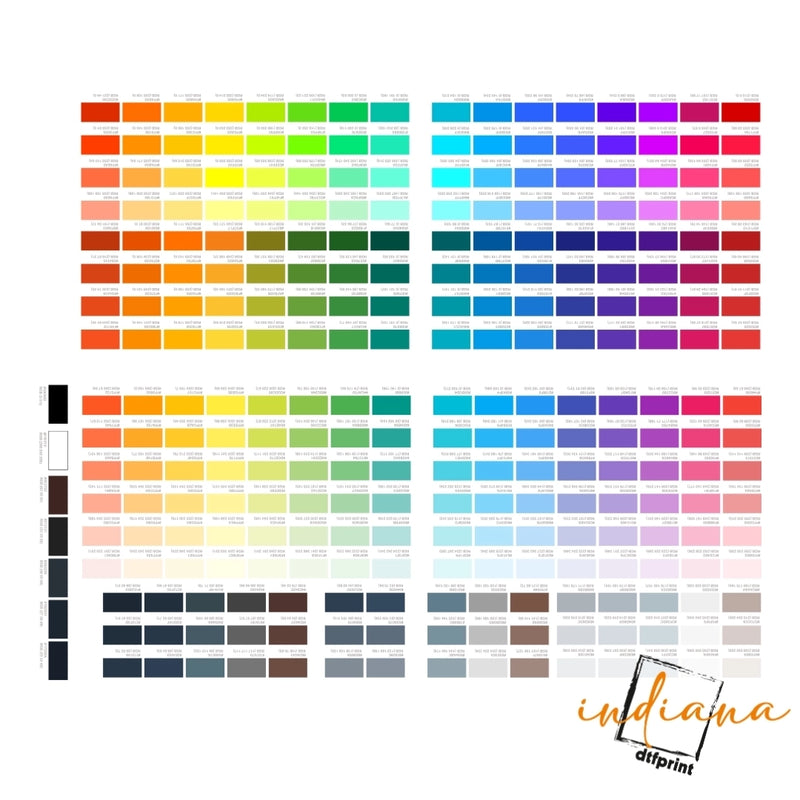



Key Highlights
- Durability: DTF transfers are highly durable and resistant to washing and wear.
- Versatility: Works on cotton, polyester, blends, and even hard surfaces.
- Quality: Offers full color prints with sharp details.
- Cost Effective: DTF printing reduces production costs for small and large runs.
- Ease of Use: Simple heat press application with minimal mistakes.
If you’re new to custom printing, you’ve probably heard the term DTF transfers but aren’t quite sure what they are. Simply put, direct to film transfers are a revolutionary method of transferring designs onto fabrics, garments, and even hard surfaces. Unlike traditional methods, DTF printing allows highly detailed, full color prints with impressive durability.
Understanding DTF Transfers for Beginners
At its core, a DTF transfer involves printing your design on a special film, applying an adhesive powder, and then heat pressing it onto a fabric or item. This process is entirely different from screen printing or vinyl transfers, as it provides soft, flexible, and long lasting prints that don’t crack or peel easily. If you’re exploring DTF transfers for beginners, knowing these steps and the right tools will set you up for success.
DTF Transfer Basics: How They Work
The DTF transfer basics are surprisingly straightforward. First, your design is printed in reverse on a PET film using a DTF printer. Then, an adhesive powder is sprinkled over the wet ink, followed by curing.
Finally, the design is heat pressed onto the garment. This method ensures precise colors, gradients, and small details that traditional methods often struggle to reproduce. By understanding what are DTF transfers, beginners can better appreciate why this method is so versatile and beginner friendly.
Advantages of DTF Transfers
The DTF transfer advantages are numerous. Soft results come through prints that stretch without splitting or losing color fast. Screen printing differs because the cost stays low even when orders stay small. Nearly any fabric works well, so both companies and crafters find it useful.
Film transfers lay down colors bright and true, ideal when patterns shift softly, or art gets intricate. Newcomers start noticing how this method quietly takes over old ways of printing once they grasp its strengths.
DTF Transfer Durability
One of the most appealing features of DTF transfers is their DTF transfer durability. When properly applied, prints can withstand hundreds of washes without fading, cracking, or peeling.
The adhesive powder and heat press process create a strong bond between the ink and the fabric. Following a DTF transfer heat press guide ensures optimal durability and reduces the risk of peeling or lifting over time.
Caring for DTF Transfers
Maintaining DTF transfers is simple but essential. Always wash garments inside out, avoid bleach, and use cold water whenever possible. Hang drying is recommended, and ironing should be done carefully over the design with a protective sheet.
These DTF transfer care instructions help extend the life of your prints and keep colors vibrant for longer. Beginners should always follow care instructions to maintain professional quality results.
DTF Printing Cost: What Beginners Should Know
A common question is DTF printing cost. While it varies based on design size, colors, and garment type, DTF transfers are generally cost effective, especially for small or custom orders.
Beginners can start small without investing in large quantities, making it an ideal method for startups or DIY projects. Understanding what are DTF transfers and their cost helps plan budgets effectively.
DTF Transfer Heat Press Guide
Applying DTF transfers correctly is essential. Use a heat press with the recommended temperature, pressure, and time settings outlined in a reliable DTF transfer heat press guide.
Pre press the garment to remove moisture, apply the transfer, press, and peel carefully. Following these steps ensures maximum adhesion, vibrant colors, and long lasting prints. Beginners will benefit immensely from consistently following heat press guidance.
Why Choose DTF Transfers Over Other Methods
DTF transfers offer advantages over screen printing and vinyl, including faster setup, full color printing, smaller minimum runs, and compatibility with various fabrics. They are especially effective for detailed, colorful, or gradient heavy designs.
For beginners and small business owners, DTF printing reduces wasted materials and lowers the learning curve, while producing professional results.
Tips for Beginners
Start with small, simple designs before moving to complex projects. Practice with scrap fabric to get comfortable with DTF transfer heat press guide and settings. Always keep your printer, powder, and heat press calibrated. Documenting your process helps ensure consistent, high quality results every time you use DTF transfers.
Conclusion
Understanding what are DTF transfers opens a world of possibilities for beginners, hobbyists, and small business owners. They provide vibrant, durable, and versatile prints at reasonable costs, with minimal learning curve.
By following proper DTF transfer basics, heat press guides, and care instructions, anyone can produce professional quality apparel and custom items. For high quality films, expert tips, and reliable DTF transfers, visit Indiana DTF Print and start your printing journey today.
Frequently Asked Questions
1. What are DTF transfers?
DTF transfers, or direct to film transfers, involve printing a design on a special film with adhesive powder and heat pressing it onto fabric for durable, vibrant results.
2. How do DTF transfers work?
A design is printed on PET film, coated with adhesive powder, cured, then heat pressed onto fabric. This process ensures vibrant colors, stretchable prints, and long lasting adhesion.
3. Are DTF transfers suitable for all fabrics?
Yes, DTF transfers work on cotton, polyester, blends, and some hard surfaces, making them versatile for custom apparel, gifts, and personalized products.
4. What makes DTF printing cost effective?
DTF printing cost is low for small runs, reducing setup fees and waste. It’s ideal for beginners and startups needing custom designs without high upfront costs.
5. How durable are DTF transfers?
Properly applied DTF transfers are highly durable, withstanding hundreds of washes without cracking or fading. Using a DTF transfer heat press guide ensures maximum durability.
6. Can beginners use DTF transfers easily?
Yes, DTF transfers for beginners are user friendly. With proper guidance, heat press, and adhesive application, beginners can achieve professional quality results with minimal trial and error.
7. How do I care for DTF transfers?
Follow DTF transfer care instructions: wash garments inside out, cold water, avoid bleach, hang dry, and iron carefully over a protective sheet to maintain print quality.
8. What are the advantages of DTF transfers?
DTF transfer advantages include versatility across fabrics, high color vibrancy, soft hand feel, long lasting adhesion, and the ability to print detailed or gradient rich designs easily.
9. Do I need special equipment for DTF printing?
Yes, DTF printing requires a compatible printer, adhesive powder, PET film, and a heat press. Beginners can start small and scale as experience grows.
10. Where can I buy quality DTF transfers?
For reliable DTF transfers, films, and supplies, visit Indiana DTF Print for high quality materials, tutorials, and expert guidance suitable for beginners and professionals.


